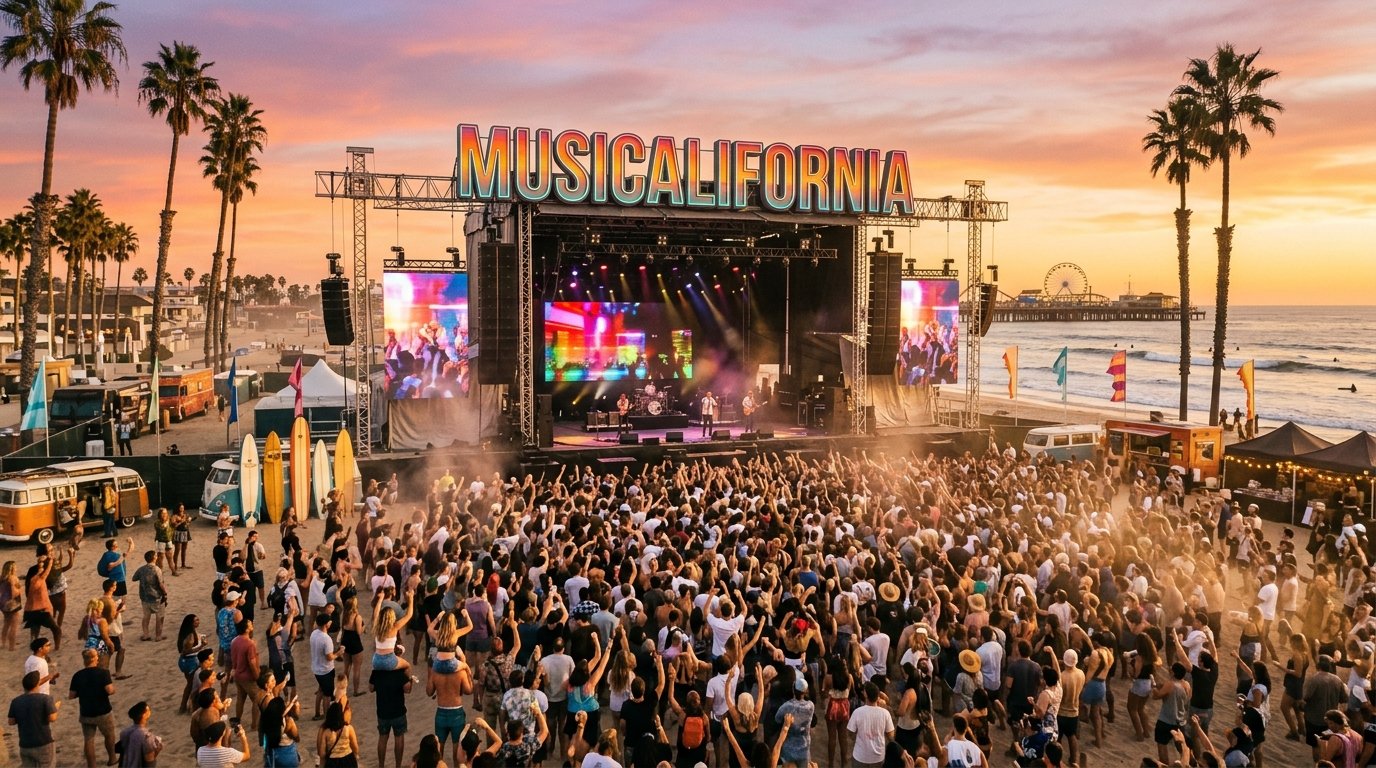
California has played an important role in shaping American music, from surf rock and folk rock to hip-hop, country, and modern pop. The term Musicalifornia can serve as a way to explore this diverse musical landscape, bringing together the artists, sounds, places, and cultural influences that make California an important part of music history.
Although Musicalifornia is not established here as the official name of a particular organization or movement, the concept offers an interesting starting point for understanding how music reflects California’s identity. The state’s mix of coastal communities, major entertainment centers, independent venues, and diverse cultural traditions has helped create a musical environment that continues to evolve.
What Is Musicalifornia?
Musicalifornia is a proposed term that combines the words music and California. In this article, it describes the state’s broad musical culture, including its influential artists, regional sounds, recording industry, live performances, and independent music communities.
The concept is wider than a single genre. California’s musical identity includes the sunny guitar sounds associated with surf rock, the storytelling traditions of folk and country music, the development of West Coast hip-hop, and the many forms of pop and alternative music produced across the state.
For music fans, Musicalifornia can represent a way to explore these connections. For writers, researchers, and cultural enthusiasts, it can provide a framework for discussing how a particular place influences the sounds people create and enjoy.
However, anyone using Musicalifornia as the name of a business, festival, website, or established music movement should verify that specific identity separately.
How California Shaped American Music
California’s influence on American music developed through a combination of migration, cultural exchange, technological change, and the growth of its entertainment industry.
The state attracted musicians from different parts of the United States and the world. They brought distinct traditions, instruments, languages, and musical ideas, creating opportunities for new styles to develop.
The Rise of the California Sound
The California sound became particularly recognizable during the early 1960s. It was associated with melodic pop and rock, youthful optimism, coastal imagery, and the lifestyle often portrayed in Southern California music.
The Beach Boys became one of its best-known representatives. Their music connected vocal harmonies and pop songwriting with themes of surfing, cars, beaches, and teenage life.
Over time, California’s musical identity expanded beyond this sunny image. Folk rock, psychedelic rock, country rock, punk, and alternative music expressed different experiences of life in the state.
The California sound is therefore best understood as a changing musical tradition rather than one fixed style.
California and the Recording Industry
Los Angeles developed into an important center for recording, songwriting, film music, and commercial entertainment. Its network of studios, producers, performers, and industry professionals helped connect artists with large audiences.
The relationship between music and the entertainment industry also created opportunities for musicians to work across different formats. Songs could be recorded for albums, performed live, used in films, or incorporated into television and other media.
At the same time, California’s independent music communities offered alternatives to mainstream commercial production. Smaller venues, local record labels, and self-directed artists helped different sounds find audiences.
This combination of commercial infrastructure and independent creativity is an important part of California’s musical history.
Musical Genres Associated With California
California’s music culture cannot be reduced to one genre. Different cities, communities, and generations have contributed to its development.
Surf Rock and Beach-Inspired Music
Surf rock became strongly associated with Southern California during the early 1960s. Its energetic guitar sounds, rhythmic drive, and beach-related themes helped establish a recognizable musical image.
The Beach Boys helped popularize a broader California sound, while instrumental surf music developed its own identity through guitar techniques and driving rhythms.
Although beach culture remains an important part of this musical tradition, surf-inspired music has continued to influence artists beyond California and beyond the original era.
Folk Rock and Psychedelic Rock
California also became an important center for folk rock and psychedelic rock during the 1960s.
Folk rock blended elements of traditional folk music with electric instruments and rock arrangements. Psychedelic rock explored experimental sounds, extended musical passages, and unconventional recording approaches.
The San Francisco music scene became especially associated with the countercultural movements of the period. Los Angeles also attracted musicians and songwriters who helped shape folk rock and related styles.
These movements demonstrate how music can reflect broader changes in society, artistic expression, and cultural identity.
West Coast Hip-Hop
West Coast hip-hop became one of California’s most influential contributions to American popular music.
Artists and producers developed distinctive approaches to rhythm, production, storytelling, and regional identity. Los Angeles became a major center for the genre, while other California communities developed their own local sounds and scenes.
West Coast hip-hop also created space for artists to address neighborhood life, social conditions, personal ambition, community experiences, and cultural pride.
Its history is not limited to one group or city. The genre has evolved through multiple generations of performers and producers, influencing music far beyond the state.
Country and Country Rock
California has a significant connection to country music and country rock.
Artists in the state have drawn from traditional country storytelling, folk songwriting, rock instrumentation, and regional musical traditions. Los Angeles, in particular, became an important setting for the development of country rock during the 1960s and 1970s.
These styles helped show that California’s musical identity could combine influences from different parts of the country rather than depend exclusively on its coastal image.
Pop, Punk, and Alternative Music
California has also contributed to pop, punk, alternative rock, electronic music, and other contemporary styles.
Its large urban centers support a wide range of musical communities, from commercially successful performers to independent musicians building audiences through smaller venues and online platforms.
Punk and alternative scenes have often emphasized experimentation, independent production, and distinctive artistic identities. Pop music, meanwhile, has benefited from the state’s recording infrastructure and connections to the wider entertainment industry.
Together, these genres illustrate the continuing diversity of California music.
Artists Who Helped Define the California Sound
Several artists and groups are useful starting points for understanding California’s musical influence. Their work represents different periods and traditions rather than one unified style.
The Beach Boys helped popularize surf-related themes, intricate vocal harmonies, and the early California sound.
The Byrds contributed to the development of folk rock, combining folk influences with electric rock arrangements.
The Eagles became closely associated with California’s country-rock tradition and the broader Southern California music scene of the 1970s.
Dr. Dre helped shape West Coast hip-hop through his work as a producer and recording artist.
Tupac Shakur became one of hip-hop’s most influential figures, with a significant connection to California’s rap scene and its cultural history.
These artists represent only a small portion of California’s musical landscape. A fuller account would also include musicians from Latin, jazz, classical, electronic, punk, metal, and many other traditions.
Their collective influence shows that California music is not simply a sound. It is an ongoing exchange between artists, audiences, communities, and the wider music industry.
Los Angeles, San Francisco, and Other Music Centers
California’s music culture varies from region to region. Exploring its cities helps explain why the state’s musical identity is so diverse.
Los Angeles
Los Angeles is closely associated with recording studios, commercial pop, hip-hop, film music, and a wide range of independent scenes.
The city’s entertainment infrastructure gives musicians access to recording professionals, performance spaces, producers, and creative collaborators. Its size also supports many distinct communities with different musical interests.
For visitors, the city’s music-related experiences may include concerts, historic venues, record stores, and performances by emerging artists. Specific locations and events should be checked for current availability before planning a visit.
San Francisco
San Francisco has a long association with folk rock, psychedelic music, jazz, and alternative cultural movements.
Its music history reflects the relationship between artistic expression and community life. Small venues, cultural institutions, local performers, and historic music traditions all contribute to the city’s identity.
Visitors interested in this history can explore local performance calendars, music-related exhibitions, and venues that host contemporary artists.
Other California Communities
California’s musical culture extends well beyond its two best-known metropolitan centers.
San Diego has its own live-music communities and connections to coastal and cross-border cultural influences. Sacramento and other inland cities support local artists across rock, hip-hop, country, and alternative genres.
Smaller communities also contribute through regional festivals, local bands, community events, and independent recording projects.
This broader perspective matters because California’s musical identity is built by many places, not just the cities most often associated with the entertainment industry.
Live Music, Festivals, and Independent Artists
Live performances are an important way to experience California’s musical diversity.
Concerts, local gigs, outdoor performances, and music festivals bring together artists and audiences in different settings. Large events may feature nationally recognized performers, while smaller venues often provide opportunities to discover emerging musicians.
Independent artists also play an important role. They may release music without major-label backing, organize their own performances, collaborate with local producers, or build audiences through digital platforms.
For listeners, discovering independent music can provide a more direct connection to local creative communities. It can also reveal genres and performers that receive less attention in mainstream entertainment coverage.
Anyone planning to attend a music event should verify the date, location, ticket availability, age restrictions, accessibility arrangements, and event policies before traveling.
How to Explore California’s Music Culture
You do not need to be a music historian to explore California’s musical heritage. A simple plan can help you discover the state’s different sounds and traditions.
1. Start With Different Genres
Choose several genres rather than focusing on only one. A listening list might include surf rock, folk rock, country rock, West Coast hip-hop, punk, and contemporary pop.
Pay attention to the differences in instrumentation, rhythm, production, and storytelling. These details help explain how artists from the same state can create very different musical experiences.
2. Explore Music by Region
Choose a city or region and learn about its musical history.
For example, you could explore the connection between Los Angeles and the recording industry, San Francisco and psychedelic rock, or other California communities and their local music scenes.
Connecting artists with places can make the history easier to understand.
3. Listen to Complete Albums
Individual songs can introduce an artist’s style, but complete albums often reveal more about their musical development.
Notice how the arrangements, themes, pacing, and production change from one track to another. You may also discover collaborations and influences that are less obvious when listening only to popular singles.
4. Discover Local Performances
Look for performances at local clubs, theaters, community venues, and music festivals.
Smaller events can provide an opportunity to hear emerging musicians and experience styles that may not receive widespread commercial attention.
Check official event information before making plans, especially when travel or ticket purchases are involved.
5. Learn the Historical Context
Music often reflects the period and community in which it was created.
Understanding the social, cultural, and technological context behind a genre can make its lyrics and sound more meaningful. California’s music history includes changing youth cultures, migration, urban development, artistic experimentation, and the growth of recording technology.
Considering these influences helps connect individual songs with the larger history of American music.
The Future of California Music
California’s musical identity continues to evolve as artists adopt new technologies, collaborate across genres, and reach audiences through digital platforms.
Home recording software and online distribution have made it possible for musicians to create and release work without relying entirely on traditional recording infrastructure. Social platforms and streaming services can also help independent artists introduce their music to listeners in different regions.
These opportunities come with challenges. Musicians still need to develop their craft, reach audiences, manage expenses, and find sustainable ways to support their work.
California’s large and diverse creative communities offer many possibilities for collaboration, but success is not automatic. An artist’s results depend on factors such as the quality of the music, audience engagement, promotion, resources, and persistence.
The future of California music will likely continue to reflect the interaction between established industry networks and independent creativity. New styles may emerge, older genres may be reinterpreted, and regional traditions may reach audiences in unexpected ways.
For anyone using Musicalifornia as a framework for understanding this culture, the most valuable idea is that music remains connected to the people and places that create it.
Frequently Asked Questions
What does Musicalifornia mean?
Musicalifornia is used in this article as a proposed blend of “music” and “California.” It describes California’s musical culture, including its artists, genres, recording history, and live performances. The term’s intended meaning should be confirmed if it refers to a particular business, event, or established project.
Is Musicalifornia an official music festival?
This article does not establish Musicalifornia as an official festival. Before describing it as an event, verify its organizer, official name, location, schedule, and current status.
What is California best known for in music?
California is associated with several influential traditions, including the California sound, surf rock, folk rock, country rock, West Coast hip-hop, punk, and pop. Its musical identity varies by region and has changed considerably over time.
Which artists are associated with California’s music history?
Artists and groups associated with important California music traditions include the Beach Boys, the Byrds, the Eagles, Dr. Dre, and Tupac Shakur. This list is illustrative rather than exhaustive.
Why is Los Angeles important to the music industry?
Los Angeles is a major center for recording, songwriting, live performance, and entertainment. Its studios, professional networks, venues, and diverse artistic communities have helped musicians create and distribute music across many genres.
Is California music limited to surf rock and pop?
No. California has contributed to hip-hop, folk rock, country, punk, jazz, classical music, electronic music, and many other genres. Surf rock and pop are recognizable parts of its history, but they represent only a portion of the state’s musical diversity.
How can beginners explore California music?
Start by listening to several genres, learning about artists from different periods, and connecting musical styles with the places where they developed. Complete albums, live performances, music documentaries, and local cultural programs can provide additional context.
Can Musicalifornia be used as a website or brand name?
Potentially, but the name should be researched before commercial use. Check relevant business names, domain availability, trademarks, existing projects, and possible conflicts. A name’s availability in one place does not establish that it is legally available everywhere.
Conclusion
Musicalifornia offers a useful editorial concept for exploring the relationship between California and American music. From surf rock and folk rock to West Coast hip-hop and independent music, the state’s history demonstrates how geography, cultural exchange, technology, and creative communities influence musical development.
The concept is most useful when it brings together different genres and regions rather than treating California music as a single sound. By exploring influential artists, local music scenes, historical context, and contemporary performances, readers can develop a broader understanding of the state’s contribution to music.
The key distinction is that Musicalifornia is being used here as a descriptive concept, not as a verified name for a specific organization. Establishing the keyword’s intended meaning is essential before publishing this article as a definitive resource about a particular entity.
More Information About Clash Royale Deck Builder