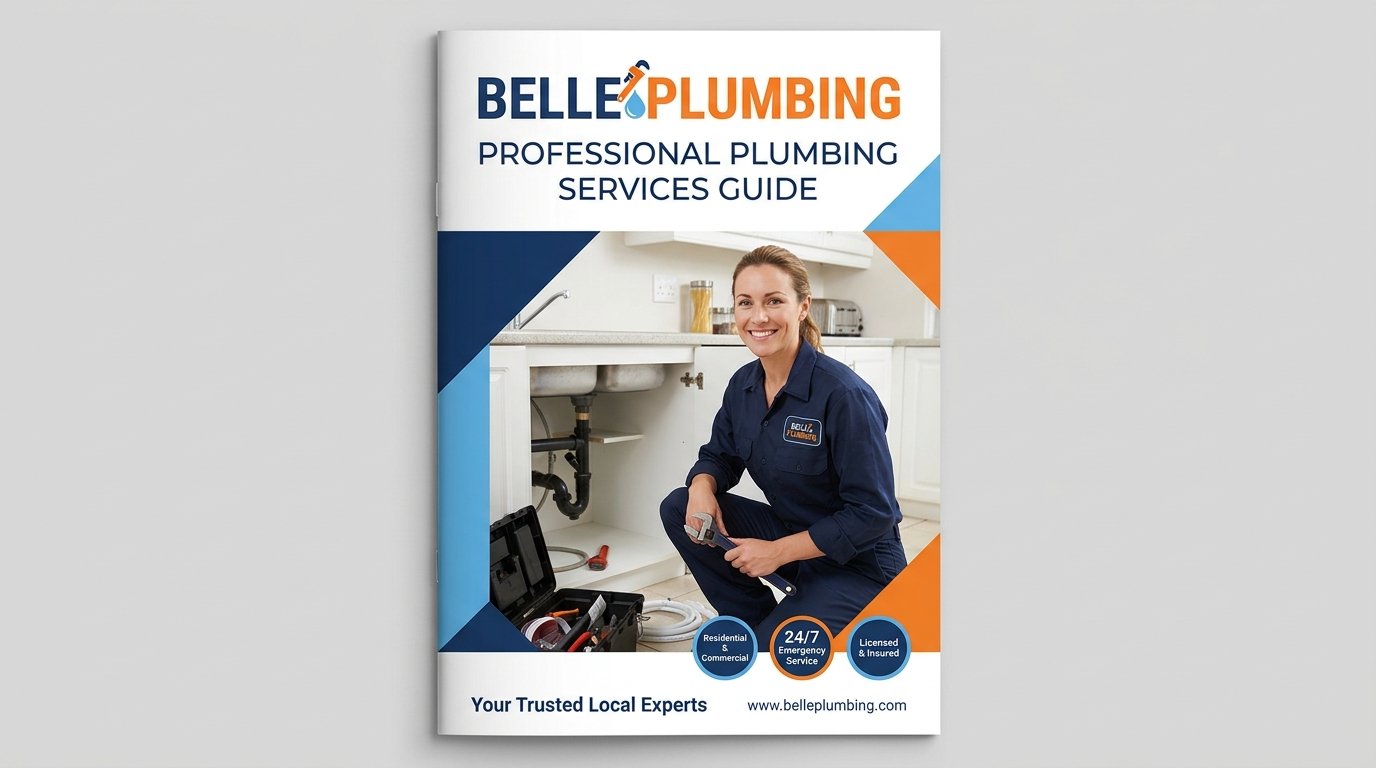
A reliable plumbing system is one of the most important parts of a comfortable and functional home. From delivering clean water to removing wastewater safely, plumbing plays an essential role in everyday activities. When something goes wrong, even a small issue can quickly become a major inconvenience. A leaking pipe, clogged drain, malfunctioning water heater, or damaged sewer line can interrupt daily routines and potentially cause expensive property damage.
Belle Plumbing represents the importance of dependable plumbing solutions, professional workmanship, and practical services designed to keep residential and commercial plumbing systems operating properly. Whether homeowners need a simple fixture repair, a complete plumbing installation, or assistance with a more complicated issue, choosing an experienced plumbing professional can make a significant difference.
Understanding common plumbing problems, available repair options, and preventive maintenance practices helps property owners make better decisions. With the right approach, plumbing systems can remain efficient, reliable, and capable of meeting everyday household needs.
Understanding the Importance of Professional Plumbing Services
Plumbing systems involve multiple connected components, including water supply pipes, drainage lines, fixtures, valves, water heaters, and sewer connections. Each component performs a specific function, and a problem in one area can affect the performance of the entire system.
Professional plumbing services help identify problems accurately and provide appropriate solutions. Instead of relying on temporary fixes, qualified plumbers examine the underlying cause and determine the most effective repair method.
For example, a slow-draining kitchen sink may appear to be a minor inconvenience. However, the problem could be caused by grease accumulation, food particles, damaged pipes, or an obstruction deeper inside the drainage system.
Similarly, low water pressure might result from mineral buildup, a faulty pressure regulator, leaking pipes, or problems with the main water supply.
Professional attention helps prevent these issues from developing into more serious problems.
Residential Plumbing Services for Everyday Needs
A properly functioning plumbing system makes everyday household activities easier. From preparing meals and washing dishes to bathing and doing laundry, homeowners depend on consistent water access throughout the day.
Residential plumbing services cover a wide range of repairs, installations, and maintenance tasks.
Plumbing Repairs and Leak Detection
Water leaks are among the most common plumbing problems in residential properties. They can develop around faucets, toilets, water supply connections, exposed pipes, and hidden plumbing lines.
Some leaks are easy to notice, while others remain concealed behind walls, beneath floors, or inside cabinets.
Common warning signs include:
- Unexpected increases in water bills.
- Damp areas around walls or floors.
- Water stains on ceilings.
- Mold or musty odors.
- Reduced water pressure.
- The sound of running water when fixtures are turned off.
Prompt leak detection can help limit water waste and prevent structural damage. A plumber can inspect the affected area, identify the source, and recommend an appropriate repair.
Depending on the situation, the solution may involve tightening a connection, replacing a damaged fitting, repairing a section of pipe, or installing new plumbing components.
Faucet and Fixture Installation
Faucets, sinks, toilets, showers, and other plumbing fixtures are used frequently. Over time, these components can develop leaks, corrosion, worn seals, or mechanical problems.
Professional fixture installation helps ensure that connections are secure and water flows correctly.
Homeowners upgrading their kitchens or bathrooms may also consider modern fixtures that offer improved functionality, easier maintenance, and better water efficiency.
Selecting suitable fixtures can enhance both convenience and the appearance of a property.
Toilet Repair and Replacement
A malfunctioning toilet can waste a considerable amount of water and create unnecessary frustration.
Common toilet problems include continuous running, weak flushing, leaks around the base, slow tank refilling, and frequent clogging.
Some issues can be resolved by replacing a worn flapper, adjusting the fill valve, or repairing a faulty connection. More extensive problems may require replacing internal components or installing a new toilet.
A professional plumber can evaluate the condition of the existing fixture and help determine whether repair or replacement is the more practical option.
Drain Cleaning and Clogged Pipe Solutions
Drainage problems can affect kitchens, bathrooms, laundry areas, and outdoor plumbing systems. When wastewater cannot move through pipes efficiently, it may produce unpleasant odors, slow drainage, and potential backups.
Regular drain maintenance helps reduce the risk of serious blockages.
Common Causes of Clogged Drains
Different household drains collect different types of debris.
Kitchen drains commonly become blocked because of:
- Cooking grease and oils.
- Food scraps.
- Soap residue.
- Coffee grounds.
- Accumulated debris.
Bathroom drains often collect hair, soap residue, toothpaste, and other personal care products.
Outdoor drainage systems may experience blockages caused by leaves, dirt, tree roots, and other materials.
Understanding the source of a blockage makes it easier to select the correct cleaning method.
Professional Drain Cleaning
Professional drain cleaning removes accumulated material that restricts water movement. Depending on the severity and location of the blockage, plumbers may use mechanical drain equipment, specialized cleaning tools, or other appropriate techniques.
For more complicated drainage problems, a camera inspection can help identify obstructions, damaged sections, or root intrusion inside a pipe.
Professional cleaning is particularly useful when the same drain becomes clogged repeatedly.
Rather than treating the symptom alone, an inspection can help determine whether the problem involves an underlying pipe condition.
Preventing Future Drain Problems
Homeowners can reduce the likelihood of clogged drains by following a few simple practices.
Avoid pouring cooking grease into kitchen sinks. Use drain screens to catch hair and food particles. Dispose of large food scraps in the trash rather than washing them down the drain.
It is also helpful to avoid flushing items that are not designed to break down in water.
These small habits can protect household plumbing and reduce unnecessary repair expenses.
Water Heater Installation, Repair, and Maintenance
Hot water is essential for bathing, washing dishes, cleaning, and many other household activities. When a water heater stops working correctly, daily routines can become uncomfortable.
Water heater problems can involve electrical components, heating elements, thermostats, sediment accumulation, valves, or connections.
Common Water Heater Problems
Several warning signs may indicate that a water heater needs professional attention:
Insufficient Hot Water: A heater may struggle to provide enough hot water because of a faulty heating element, thermostat issue, sediment buildup, or inadequate capacity.
Unusual Noises: Rumbling or popping sounds can sometimes indicate sediment accumulation inside the tank.
Water Leaks: Moisture around the water heater may indicate a loose connection, faulty valve, or damaged tank.
Inconsistent Temperature: Fluctuating water temperature may result from malfunctioning controls or other internal issues.
Discolored Water: Rust-colored hot water can indicate corrosion or deterioration in parts of the water heating system.
Choosing the Right Water Heater
Homeowners generally choose between traditional storage tank systems and tankless water heaters.
Traditional water heaters store heated water in an insulated tank. They are available in different capacities and can be suitable for households with predictable hot water requirements.
Tankless water heaters heat water when needed rather than maintaining a large tank of hot water. They can offer space-saving advantages and may reduce standby energy losses.
The best choice depends on household size, water usage, available energy sources, installation requirements, and budget.
Professional installation helps ensure that the selected system is properly connected and configured according to applicable safety requirements.
Gas Line Installation and Repair
Gas lines supply fuel to appliances such as water heaters, furnaces, stoves, and other equipment. Because gas systems involve potential fire and explosion hazards, installation and repair require appropriate expertise.
A damaged or improperly connected gas line can create dangerous conditions.
Warning signs of a possible gas leak may include:
- A sulfur-like or rotten-egg smell.
- A hissing sound near a gas connection.
- Damaged or disconnected gas piping.
- Unexplained problems with gas-powered appliances.
If a gas leak is suspected, leave the area immediately. Avoid operating electrical switches, using flames, or attempting to locate the leak yourself. From a safe location, contact the gas utility or emergency services.
Gas line work should only be performed by appropriately qualified and licensed professionals in accordance with local codes.
Whether installing a new appliance, replacing an existing connection, or addressing a suspected problem, safety must remain the highest priority.
Pipe Repair and Whole-Home Repiping
Water supply pipes are essential for delivering clean water throughout a property. However, pipes can deteriorate over time because of corrosion, excessive pressure, mineral deposits, physical damage, or age.
A small leak may only require a localized repair. However, widespread corrosion or repeated failures can indicate that a larger plumbing upgrade is necessary.
Signs That Pipes May Need Replacement
Homeowners should pay attention to recurring plumbing problems, including:
- Frequent pipe leaks.
- Persistent low water pressure.
- Rust-colored water.
- Visible corrosion.
- Repeated repairs in different areas.
- Signs of water damage around plumbing lines.
The condition and material of existing pipes help determine the most appropriate replacement strategy.
Modern plumbing materials are available in different types, each with specific advantages and installation requirements.
A professional assessment can help homeowners understand the expected costs, project scope, and long-term benefits of repairing or replacing existing pipes.
Sewer Line Inspection and Repair
Sewer lines carry wastewater away from residential and commercial properties. When these lines become damaged or blocked, the resulting problems can affect multiple plumbing fixtures.
Unlike a simple sink blockage, sewer line problems may involve deeper issues that require specialized inspection.
Common Sewer Line Problems
Some of the most common causes include:
- Tree root intrusion.
- Cracked or broken pipes.
- Grease and debris accumulation.
- Pipe corrosion.
- Ground movement.
- Improper installation.
Warning signs may include several slow drains, recurring backups, unpleasant outdoor odors, or unusually wet areas in the yard.
Video camera inspections allow plumbers to examine the inside of sewer pipes and identify potential problems without immediately excavating the entire line.
Depending on the pipe condition, solutions may include professional cleaning, localized repair, pipe lining, or complete replacement.
Addressing sewer problems early can help prevent more extensive damage and disruption.
Emergency Plumbing Services and Fast Problem Resolution
Some plumbing problems cannot wait for a convenient appointment. A burst pipe, major leak, overflowing toilet, or serious drainage backup may require immediate attention.
Emergency plumbing services help property owners respond to urgent situations and reduce the risk of additional damage.
What to Do During a Plumbing Emergency
Taking the correct initial steps can help protect your property.
1. Shut Off the Water Supply
If a water pipe bursts or a major leak occurs, locate the appropriate shut-off valve and turn off the water supply if it is safe to do so.
2. Protect Electrical Safety
Keep away from electrical equipment and outlets in areas affected by water. If there is a risk of electrical contact, avoid entering the area and contact the appropriate emergency professional.
3. Move Valuable Belongings
If possible, move furniture, electronics, documents, and other important belongings away from the affected area.
4. Contact a Qualified Plumber
Professional assistance can help identify the problem and determine the safest repair approach.
5. Document the Damage
Photographs and written notes may be useful for insurance purposes, depending on your policy.
Quick action can reduce water damage and make the repair process more manageable.
Why Preventive Plumbing Maintenance Matters
Waiting until a plumbing system fails can lead to unnecessary expenses. Preventive maintenance focuses on identifying developing problems before they become emergencies.
A regular inspection can help homeowners understand the condition of their pipes, fixtures, water heater, and drainage system.
Benefits of Routine Plumbing Maintenance
Reduced Repair Costs: Early detection may prevent minor issues from developing into expensive repairs.
Improved Water Efficiency: Fixing leaks and replacing inefficient fixtures can help reduce unnecessary water consumption.
Better System Performance: Clean drains, properly functioning valves, and well-maintained fixtures support reliable plumbing operation.
Longer Equipment Lifespan: Routine maintenance can help extend the useful life of water heaters and other plumbing components.
Greater Peace of Mind: Knowing that essential plumbing components have been inspected can make property ownership less stressful.
A Simple Home Plumbing Maintenance Checklist
Homeowners can follow this basic schedule:
- Check faucets and visible pipes for leaks.
- Inspect the area around toilets for moisture.
- Monitor water pressure.
- Look for unusual water heater noises.
- Keep sink and shower drains free from debris.
- Check exposed pipes for corrosion.
- Pay attention to unusual plumbing odors.
- Schedule professional inspections when recurring problems appear.
Regular attention to these details can make a meaningful difference in maintaining a healthy plumbing system.
Choosing the Right Plumbing Professional
Selecting a dependable plumber is an important decision. Property owners should look beyond the advertised price and consider the quality, experience, and reliability of the service provider.
Before hiring a plumbing professional, consider several important factors.
Licensing and Qualifications
Verify that the plumber holds the licenses or certifications required for the work and location. Specialized jobs, particularly gas line installation, may require additional qualifications.
Experience With Similar Projects
Not every plumbing issue requires the same expertise. Ask whether the service provider has experience with the specific repair, installation, or replacement project you need.
Clear Estimates and Pricing
A professional service provider should explain the expected work, material requirements, labor charges, and any additional costs.
Request a written estimate when possible so you understand what is included.
Communication and Customer Service
Good communication makes the repair process easier. A dependable plumber should explain the problem, discuss available solutions, and answer reasonable questions.
Workmanship and Service Standards
Proper installation and repair are important for long-term plumbing performance. Ask about warranties, workmanship standards, and the company’s approach to resolving problems if something goes wrong.
Belle Plumbing can be considered within this broader search for dependable plumbing solutions, but customers should verify the company’s actual service area, qualifications, and available services before arranging work.
Modern Plumbing Upgrades for Better Efficiency
Plumbing technology continues to improve, giving property owners more opportunities to reduce water consumption and improve household convenience.
Modern plumbing upgrades can be especially useful during kitchen renovations, bathroom remodeling, and major property improvements.
Water-Efficient Fixtures
Low-flow faucets, showerheads, and toilets are designed to reduce water consumption while maintaining practical performance.
Replacing outdated fixtures can help households manage their water usage more efficiently.
Smart Leak Detection Systems
Some modern leak detection devices monitor water flow and identify unusual activity. Certain systems can send alerts when a potential leak is detected.
Advanced automatic shut-off systems may also help limit water damage by stopping the supply when a serious leak is identified.
Modern Water Heating Solutions
Energy-efficient water heaters can offer improved performance depending on the household’s needs and existing utility setup.
A professional assessment can help determine whether upgrading the current system is worthwhile.
Improved Drainage Components
Modern drainage components and properly installed plumbing fixtures can support easier maintenance and better system performance.
These improvements are particularly valuable during remodeling projects when plumbing components are already being updated.
Plumbing Services for Commercial Properties
Commercial plumbing systems often experience heavier usage than residential systems. Restaurants, offices, retail stores, and other businesses depend on reliable water supply and drainage to maintain daily operations.
Even a relatively small plumbing problem can interrupt business activities and create inconvenience for employees and customers.
Commercial plumbing requirements may include:
- Restroom fixture repairs.
- Commercial drain cleaning.
- Water heater maintenance.
- Pipe replacement.
- Leak detection.
- Sewer line inspection.
- Plumbing installations.
- Preventive maintenance programs.
Commercial properties may also require plumbing solutions that meet specific building codes, health regulations, and operational requirements.
Working with a qualified plumbing professional can help businesses maintain functional systems and respond to problems efficiently.
Understanding the Value of Professional Plumbing Work
Some homeowners attempt to resolve plumbing problems independently to save money. Basic tasks, such as cleaning a removable drain screen or replacing a simple showerhead, may be manageable with the right tools and instructions.
However, complicated repairs can create additional problems when performed incorrectly.
Incorrect pipe connections, poorly installed fixtures, and improper water heater adjustments may result in leaks, equipment damage, or safety concerns.
Professional plumbing work offers several advantages:
- Accurate problem identification.
- Appropriate repair techniques.
- Properly installed replacement components.
- Compliance with relevant plumbing standards.
- Reduced likelihood of recurring problems.
- Guidance on future maintenance.
The goal is not simply to restore water flow. It is to ensure that the plumbing system operates safely and reliably.
Frequently Asked Questions About Belle Plumbing
1. What plumbing services should homeowners look for?
Homeowners commonly need leak detection, pipe repairs, drain cleaning, toilet repairs, faucet installation, water heater services, sewer inspections, and emergency plumbing assistance.
2. How can I tell if I have a hidden water leak?
Common warning signs include unexplained increases in water bills, damp walls, water stains, mold growth, unusual odors, and sounds of running water when all fixtures are turned off.
3. How often should residential plumbing be inspected?
The appropriate inspection frequency depends on the property’s age, plumbing condition, and water usage. Annual inspections can be a useful starting point, while older systems or properties with recurring issues may require more frequent attention.
4. What causes low water pressure in a home?
Low water pressure may result from clogged fixtures, mineral accumulation, leaking pipes, faulty pressure regulators, partially closed valves, or issues with the municipal water supply.
5. Is professional drain cleaning better than chemical drain cleaners?
Professional drain cleaning can address deeper or recurring blockages and help identify underlying pipe problems. Chemical cleaners may damage certain plumbing materials and should not be used without checking their suitability.
6. When should a water heater be replaced?
Replacement may be necessary when a water heater experiences repeated failures, significant corrosion, tank leakage, or poor performance that makes continued repairs impractical. The system’s age and condition should be evaluated before making a decision.
7. What should I do if a pipe bursts?
Turn off the main water supply if safe, protect the area from electrical hazards, move valuable belongings away from the water, and contact a qualified plumber as soon as possible.
8. Why is preventive plumbing maintenance important?
Preventive maintenance helps identify leaks, drainage problems, corrosion, and equipment issues before they cause more extensive damage. It can also support better water efficiency and system reliability.
9. Can plumbing upgrades help reduce water consumption?
Yes. Water-efficient toilets, faucets, showerheads, and properly maintained plumbing fixtures can help reduce unnecessary water use.
10. How do I choose a reliable plumbing company?
Check licensing, relevant experience, customer feedback, service availability, written estimates, and workmanship policies. Make sure the company is qualified to perform the specific work required.
Final Thoughts
A dependable plumbing system is essential for maintaining a safe, comfortable, and functional property. From small faucet leaks to complex sewer line repairs, every plumbing issue deserves an appropriate solution.
Belle Plumbing is a relevant name for customers exploring professional plumbing assistance, while the right service provider should always be selected based on verified qualifications, available services, and customer requirements.
Regular inspections, timely repairs, proper fixture installation, and responsible water usage can help protect plumbing systems over the long term.