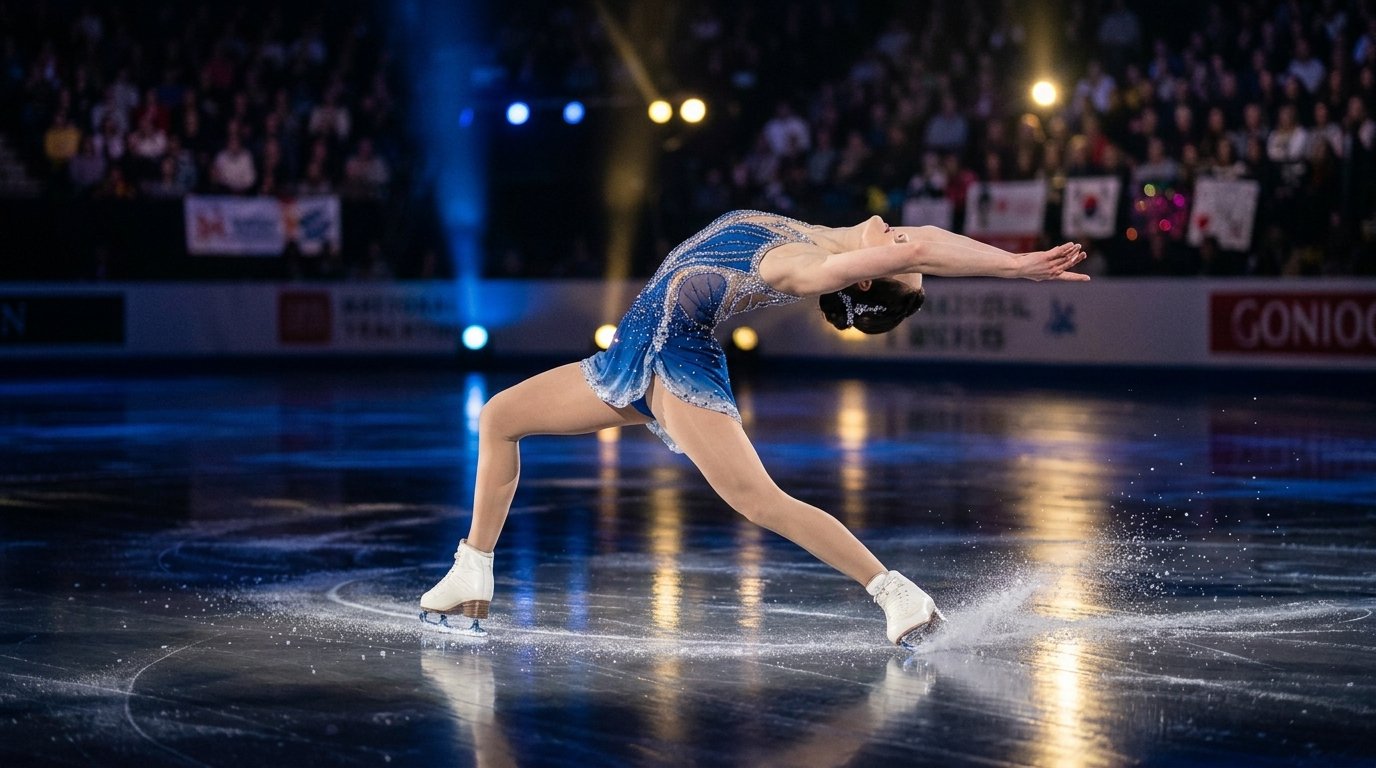
This specific glide requires precise blade angle control. When you start bauering, your body learns to distribute weight evenly across both skates. This move builds incredible core strength and stamina. It also trains your ankles to hold deep edges safely.
The Core Mechanics of Bauering
To execute this move properly, you must turn your feet out in opposite directions. The front leg bends deeply while the back leg stays totally straight. To hit the perfect bauering position, you force the inside edge of your back blade to grip the ice. This creates a smooth, powerful glide track.
Choosing the Right Skates for Bauering
Stiff boots provide the essential support needed for this technique. Soft recreational boots will easily collapse under the intense pressure of the stance. Trusted brands like Jackson, Edea, and Bauer offer excellent ankle reinforcement. Always ensure your blades have a fresh sharpening hollow before you practice.
Step-by-Step Guide to Your First Attempt
Start near the rink boards for your safety. Glide forward on two feet to build basic momentum. Turn your back foot outward, gently transitioning into a spread-eagle stance. Hold your arms out wide to maintain a steady center of gravity.
Complete Detailing Table: Technique Breakdown
| Body Part | Action Required | Primary Purpose |
|---|---|---|
| Front Leg | Bend the knee deeply (90 degrees). | Steers your direction and absorbs ice bumps. |
| Back Leg | Keep completely straight and locked. | Creates speed and acts as a stable anchor. |
| Skate Blades | Lean on the “inside edges” (inner side). | Cuts into the ice to prevent slipping. |
| Hips | Push outward and open wide. | Aligns your feet into a straight, clean line. |
| Shoulders | Keep directly stacked over your hips. | Prevents you from falling backward or forward. |
Common Mistakes When Bauering
Many skaters bend at the waist instead of bending their knees. This error instantly ruins your balance and posture. Keep your chest up and your shoulders pushed slightly back. Looking down at your feet will throw your weight forward immediately.
Building Leg Strength for Better Balance
You need strong quadriceps and hamstrings for a successful glide. Off-ice lunges directly translate to better on-ice performance. Practice ballet pliés at home to improve your hip turnout. Great hip flexibility makes bauering feel completely natural.
How Bauering Improves Edge Control
Mastering this technique gives you total command over your inside edges. It teaches your brain exactly how much pressure the ice can handle. You will stop slipping during sharp turns and crossovers. This edge mastery improves your entire skating foundation.
Advancing Your Technique
Once you can hold a straight line, try adding a deep curve. Advanced bauering involves leaning backward to shift your center of gravity drastically. Elite skaters use this specific stance to connect high-speed jumps. It requires immense trust in your back blade.
Essential Safety Gear for Ice Practice
Always wear padded knee guards during your first few weeks on the ice. Falling is a normal part of learning bauering. A certified ice helmet protects your head from unexpected backward slips. Wrist guards also prevent joint injuries when you catch your balance.
Tracking Your Bauering Progress
Record a video of your practice sessions on your phone. Watching your own posture reveals exactly where you need to adjust your hips. Compare your form against official coaching videos from U.S. Figure Skating. Consistent practice yields the fastest and safest results.
Frequently Asked Questions
What exactly is bauering?
Bauering is an ice skating move where a skater glides with their feet pointing in opposite directions. One knee bends deeply while the other leg remains completely straight to trace a clean line on the ice.
How long does it take to learn bauering?
Most skaters learn the basics of bauering in about three to six months. Consistent edge work and daily hip flexibility exercises speed up this learning timeline significantly.
Do I need special skates for bauering?
You need stiff figure skates or rigid hockey boots for bauering. Soft beginner boots lack the ankle support required to hold the deep inside edges safely.
Why do I keep falling backward when bauering?
Falling backward happens when you drop your shoulders far behind your hips. Keep your chest up and center your body weight directly over your bent knee to stay upright.
Can beginners try bauering safely?
Beginners should master basic forward glides and simple edge control before attempting bauering. Always practice near the rink wall first to ensure a highly safe learning environment.
Does this move require off-ice training?
Yes, stretching your hips off the ice makes the stance much easier. Strong thighs and flexible hip flexors create the perfect physical posture for this demanding glide.
See also: Beverage Testing Institute Best Vodkas